A Crystal Lover's Guide to Mineral Shows in Italy: What to Expect and What to Bring
A practical guide to Italian mineral fairs: how the shows are organised, how pricing and etiquette work,...

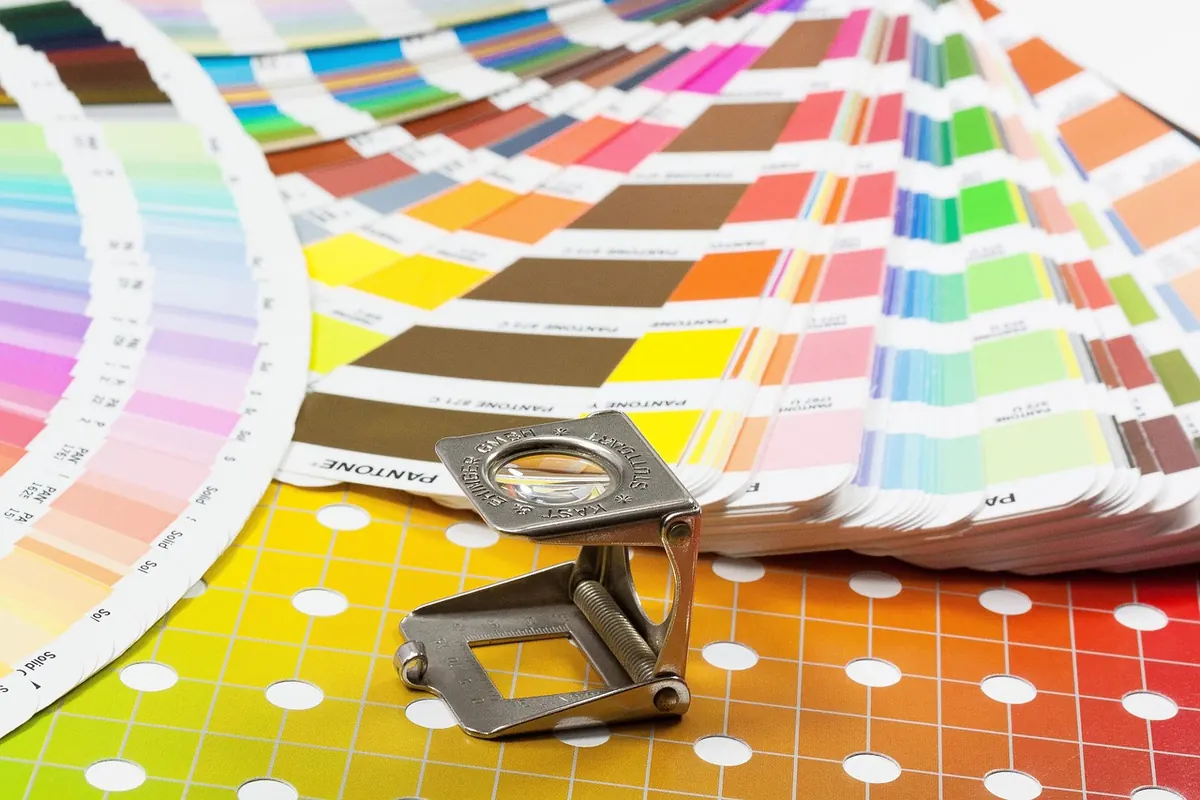
A strand of vivid blue beads arrives in a small organza bag, and the listing photo looked exactly like lapis lazuli. It might be. It might also be howlite that spent an afternoon in a dye bath. Both are honest stones worth owning, but only one should carry a lapis price tag, and only one should be described as natural color.
Treatments are not a scandal. Heating, irradiating, dyeing and coating are ordinary practices in the gem trade, and several have been used for generations. The trouble starts with silence: treated material sold as untouched, or a dyed slice priced like a rare find. The good news is that most dye jobs and coatings give themselves away to a careful eye and a ten-dollar loupe. You do not need a laboratory to notice that something is off.
Much of the rough that reaches the market is pale, porous, or simply the wrong color for the price bracket a seller wants to hit. Heat can shift brownish amethyst toward orange, irradiation can deepen topaz, and porous material such as howlite or magnesite drinks dye readily. Coatings add an iridescent sheen that no natural quartz produces on its own.
None of that makes a stone fake. A heat-treated citrine is still quartz; it is just not a naturally yellow one. What matters is two things: disclosure and price. You are entitled to know what you are buying, and treatment affects more than looks. Dyed stones can fade in strong sunlight, coated surfaces scratch and wear at the edges, and resin-filled material dislikes heat, steam and ultrasonic cleaners. A seller who tells you plainly what was done is usually a seller worth returning to.
Dye behaves like ink in a scratch. It collects where the stone is porous or broken: along fractures, inside pits, around the drilled hole of a bead, at the rough rim of a slice. Natural color lives inside the crystal structure and does not bunch up in a crack.
Pick up a 10x jeweler's loupe, or use your phone's macro setting in good daylight, and look at the damage rather than the pretty face. On a dyed bead, the inside of the drill hole is often a darker ring than the surface. On a dyed geode half, color gathers along the hairline cracks that run through the quartz. If a strand is strung on bright pink or turquoise cord, that is a small hint that the whole batch was dipped together.
Rub an inconspicuous spot with a slightly damp white cotton cloth. A little warm soapy water is enough. If pink or blue transfers to the cloth, the dye is sitting loose in the surface and will keep coming off on skin and clothing.
Some collectors use a cotton swab with a drop of acetone, but be careful. Acetone can dull a coating, soften stabilized resin, and damage porous or soft material, and it may strip surface dye and leave a pale patch in the middle of your stone. Test inside a bead hole or on the underside of a cabochon, never on the face. One more caution: a clean swab proves very little. Plenty of dye is properly fixed and will not budge, so treat a positive result as a strong signal and a negative result as inconclusive.
Natural color is rarely even. Amethyst is typically pale near the base and deeper at the tips, with smoky zones and faint growth lines running through it. A dyed agate slice, by contrast, can be the same electric magenta from the crumbly outer rind to the very center.
Compare the thin edge of a slice with its thickest part. In an untreated stone the color usually reads deeper where the light has more material to travel through. In dyed material the color sits in a shallow layer, so edges look just as saturated as the middle, and sometimes more so.
Also ask whether the hue exists in nature at all. Bubblegum pink quartz clusters, neon blue "aqua aura" points and magenta agate with a plasticky glow are not colors you stumble across in a rock shop's natural stock. Learn the typical palette of the species you collect. Cobalt-blue dyed quartz looks nothing like real blue lace agate once you have handled a few pieces, and that mental reference library is your best defence.
Coated quartz is easy to confirm once you know where to look: at the base. Aura quartz and mystic topaz get their rainbow sheen from a thin metallic film deposited on the surface, and the coating is often applied to the tips only. Turn the piece over. If the underside is dull grey or plain white while the points shimmer, you are looking at a film, not a phenomenon.
Coating wear is another giveaway. Look for tiny scuffs at the sharpest edges and around the base where the film has rubbed thin. Where the coating meets uncoated surface, the transition is abrupt rather than gradual. Some coated stones also carry a thin resin seal, which can feel slightly soapy or waxy under a fingernail and may give off a faint chemical smell when warm.
Please leave the destructive tests alone. Do not scratch, heat, or drip acid on a stone to see what happens. For anything expensive, the only answer that holds up is a report from a recognised gemological laboratory, and no home test replaces it.
Treatment vocabulary is not standardised across shops, but these terms appear again and again:
Favour sellers who state treatments in the listing without being asked. When the description is vague, send one plain question: "Is the color natural, and has this stone been treated in any way?" A confident seller answers in a sentence. A vague one answers with adjectives.
Buy small before you buy big. A single bead or a modest slice of a material you are unsure about costs little and teaches a lot. Then, within the return window, examine the piece outdoors in daylight, loupe the drill hole, and rub a hidden corner with a damp cloth while you still have the option to send it back.
Keep a loupe by the window and two or three stones you are certain about, ideally one natural amethyst and one known-dyed agate. Comparison is faster than theory. And if a treated stone is beautiful and honestly priced as treated, buy it and enjoy it. Heat-treated citrine has warmed a great many windowsills. You simply want to know which stone you are holding, and to pay for that one.
Photo: stux / Pixabay
A practical guide to Italian mineral fairs: how the shows are organised, how pricing and etiquette work,...
A simple spring equinox routine for sorting, sunning, airing and recharging your crystal collection, with...
Six practical ways to display crystals on shelves, desks and trays so a collection reads as considered...