Genuine vs. Dyed or Heat-Treated Crystals: A Spotter's Guide
Learn to spot dye pooling, unnatural saturation, and coated surfaces with simple at-home checks, and read...


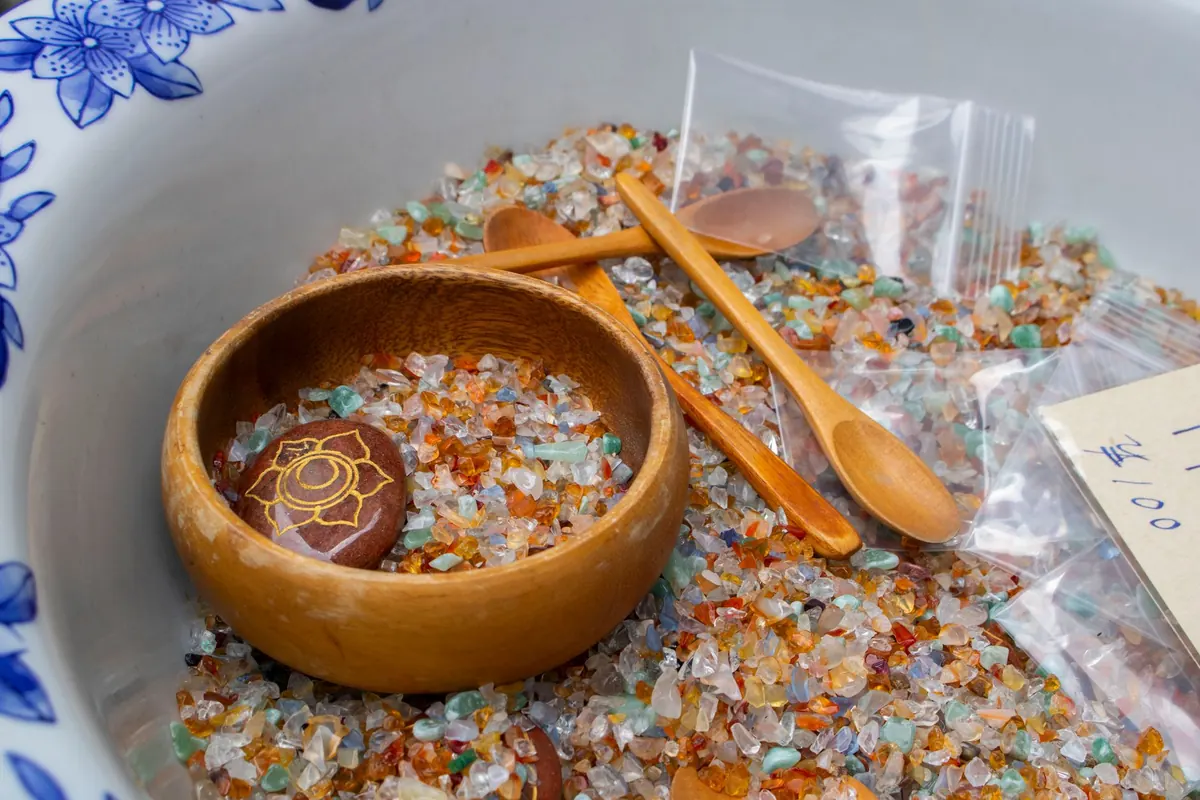
Most first crystal collections don't go wrong because of bad taste. They go wrong in a single afternoon: a market stall, a bowl of tumbled points at three for the price of two, and a budget that evaporates before you have learned what you actually like looking at.
The fix isn't iron discipline. It's a plan small enough to keep. What follows is the approach worth taking if you're starting from nothing: which stones to buy first, what a fair price looks like, and the order that keeps you from spending next month's fun money on a lump of dyed agate you'll stop noticing by Tuesday.
Before you buy anything, answer one question honestly: what will these stones do in your life? A collection you look at, a collection you handle, and a collection you're learning to identify are three different projects with three different shopping lists.
If you want something beautiful on a shelf, buy fewer, larger pieces and one good stand. If you want stones to hold during meditation or at the end of the day, small tumbled stones are more practical than a heavy cluster — and much cheaper. If you're curious about minerals as a subject, spend your early money on small, well-labelled specimens rather than big polished spheres, because a labelled piece teaches you something a decorative one can't.
Then set a number. Pick an amount you could spend on a night out without resentment, and treat that as your monthly ceiling. Crystals are a discretionary purchase, and if buying them starts to feel like financial pressure rather than pleasure, stop for a month and come back to it. That's not a small point; it's the whole game.
These are common, widely available, and forgiving of beginner mistakes. You don't need all eight. Four is a real collection.
One honest note on citrine: much of what's sold as citrine is heat-treated amethyst. That's a normal, accepted treatment, not fraud — but ask, because natural citrine costs considerably more and you should know which one you're holding.
Prices swing wildly by country, shop and size, so treat any number you read as a rough shape rather than a quote. As a general picture: small tumbled stones of common material are cheap — think the price of a coffee or two each at a rock shop or mineral show, and two to four times that in a gift shop or museum store. A decent hand-sized cluster or a good quartz point sits in the range of a nice paperback to a modest dinner out. Statement pieces run into serious money, and that's where beginners get hurt.
Size matters less than you'd think. Clarity, an undamaged termination, saturation of colour, and whether the piece has a mine or locality label attached all push the price up. A small, perfect, labelled specimen is usually a better buy than a big bruised one.
Shop by comparison, not by feeling. Look at five similar pieces before you commit to one. Retail gift shops mark up heavily; mineral shows, dedicated rock shops and club sales are where your money goes furthest.
Buy in stages and leave gaps between them. The gap is where you learn what you actually reach for.
Keep a wishlist on your phone. Write down a stone when you first want it, and if you still want it three weeks later, buy it. That single habit will save you more money than any discount.
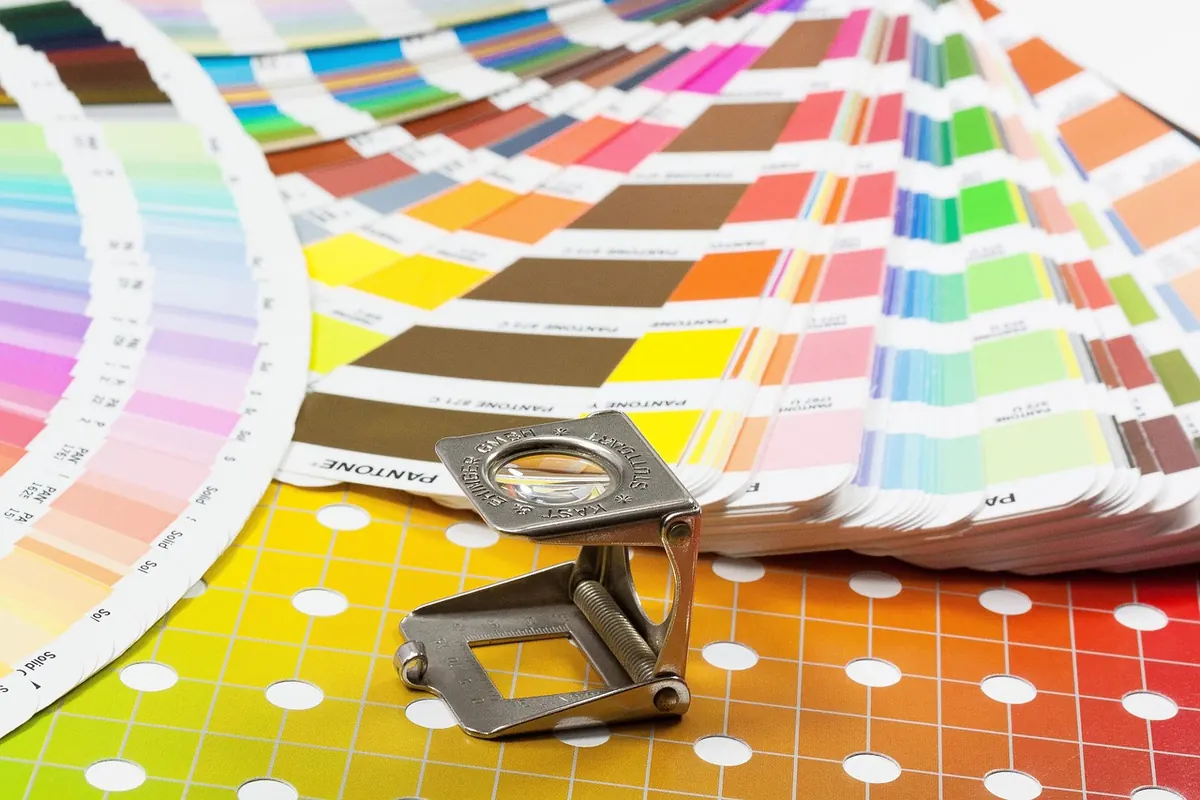
Mineral shows and rock shops are the best value and the best education, because you can handle the stones, compare them side by side, and ask the seller what a piece is. Bring cash, keep a loupe in your pocket, and ask where it came from — a seller who can answer is worth returning to.
Online, buy from sellers who photograph the actual piece you'll receive and list its measurements. For anything over a trinket price, ask for a photo in daylight. Stock photos are fine for tumbled stones and a warning sign for specimens.
Walk past dyed agate slices described as rare, "aura" quartz presented as natural when it's metal-coated, and boxed sets with printed certificates that carry no recognised issuer. Dyeing and heat treatment are common in the trade; the problem is a seller who won't say so.
Most damage happens on a windowsill. Amethyst, rose quartz and fluorite fade in strong direct sun, so keep them a metre back from the glass. Selenite and anything gypsum-based stays away from water. Pyrite can rust in damp air, so a dry room and a small silica packet nearby is sensible. Soft stones scratch each other, so store tumbled pieces in a cloth bag rather than loose in a bowl.
Write a small label for each piece: what it is, where you bought it, and what you paid. It takes a minute and it turns a pile of stones into a collection you can learn from.
Six stones you love, in a place where you actually see them, will beat sixty you bought in a rush and can't remember buying. Start with the quartz point and two tumbled stones this month. Add the cluster when you've saved for it. Read a little about each piece before the next purchase, and let the collection grow at the speed of your curiosity rather than the speed of a sale.
That's the whole budget strategy, really: buy slowly, buy a little better each time, and spend on the stones you'll still be glad to own in five years.
Photo: jarmoluk / Pixabay
Learn to spot dye pooling, unnatural saturation, and coated surfaces with simple at-home checks, and read...
A practical guide to Italian mineral fairs: how the shows are organised, how pricing and etiquette work,...
A simple spring equinox routine for sorting, sunning, airing and recharging your crystal collection, with...